

PMU pigments 2026: your honest guide – beautiful, safe, saturated 💄🖊️
When it comes to permanent makeup, the pigment determines color, longevity and healing. And yes: the difference between „wow, healed perfectly“ and „hm… why grey/green?“ often comes down to particle size, base and formulation. Here is your practical overview – with a touch of cheek, but clear facts.
What are the best permanent makeup colors?
There is no single „best“ PMU color – and if someone names you one, they usually just want to sell you their brand. What matters is that the pigments are REACH-compliant, come with a clean safety data sheet and are transparently documented by the manufacturer. Whether organic, inorganic or hybrid: what counts is skin type, technique and target look. In short – the best color is the one that is safe, stable and fits your style… not the one that happens to be shouted about the loudest.
What’s inside?
Pigments ≠ color in the jar. A PMU pigment is a powder mixture (coloring particles) in a carrier liquid (e.g. water, glycerin, alcohol) plus additives, filled under sterile conditions. The decisive factors are:
-
Inorganic pigments (mainly iron oxides, titanium dioxide): rather earthy and opaque, easy to control, popular for brows; titanium dioxide increases opacity and makes tones lighter and more „powdery“.
-
Organic pigments: more vivid and transparent, often more intense – popular for lips and eyeliner, and depending on the formulation they can be trickier in terms of color stability.
-
Particle size and flow properties: finer particles appear more transparent and softer, larger particles cover more strongly and behave differently as they fade.
EU rules: what is allowed?
Since 2022, strict restrictions have applied in the EU for tattoo and PMU inks. Numerous questionable ingredients are banned or heavily limited. These include aromatic amines, PAHs, certain metals, methanol and problematic preservatives. When buying, look for REACH compliance, batch and expiry-date details and a complete safety data sheet.
Color that lasts – and ages well
-
Titanium dioxide provides opacity and light nuances, but after years it can look „chalky“ once the colored components fade.
-
Iron oxides can appear cooler over time. This can be balanced out with warm modifiers.
-
Sun protection is a must: UV light destroys reds and yellows first – without protection, lips and brows bleach out faster.
Safety: what we don’t want in the skin
Undesirable substances include azo dyes, which can release carcinogenic breakdown products, PAHs from low-quality carbon-black sources, or heavy metals. REACH ensures that these substances are either no longer present or only occur in harmless amounts. Reputable manufacturers test their pigments regularly and provide proof.
Buying checklist
-
REACH compliance statement and safety data sheet available
-
Sterilization documented (gamma or EO sterilization)
-
Batch, expiry-date and CI details on the packaging
-
Choose the right pigment family (organic, inorganic or hybrid) depending on skin type and target look
-
Mind viscosity and flow properties
-
Check the manufacturer’s transparency
Pigment families at a glance
| Family | Strengths | Pitfalls | Use |
|---|---|---|---|
| Iron oxides | Natural, easy to control, opaque | Can age cool | Brows, camouflage |
| Organic pigments | Bright, saturated colors | Color stability depends on formulation | Lips, eyeliner |
| TiO₂-rich | High opacity, soft looks | Chalky residual tone possible | Nude looks, light brows |
Application tips
-
Brows: inorganic or hybrid pigments, chosen warm enough, worked gently and in layers.
-
Lips: organic or hybrid pigments for brilliance, use titanium dioxide sparingly.
-
Eyeliner: use rich black or dark tones with controlled technique to avoid migration.
You can tell a good manufacturer by the fact that…
…they provide safety data sheets, REACH proof, lab reports and sterilization information. They disclose all ingredients transparently and don’t use „secret blends“.
Frequently asked questions
Why do my brows heal ashy?
Usually the mixture was chosen too cool or wasn’t protected from UV. A warmer tone plus sun protection helps.
Are organic pigments dangerous?
With a REACH-compliant formulation they are just as safe as inorganic pigments.
Why so many new rules?
In the past, pigments often contained questionable substances. Today there are clear limits and bans for greater customer safety.
Where to buy PMU?
You can get PMU material on practically every corner – but in practice you want to buy it where quality, selection and safety come together. At tattoo-king.net you’ll find exclusively REACH-compliant pigments, clean safety data sheets, transparent manufacturer information and the brands the pros work with. No dubious no-name jars, no guessing game about shelf life – just gear that actually delivers in the studio. In short: if you value beautiful results and a good night’s sleep, you don’t click just anywhere… you click tattoo-king.net.
The 5 golden rules for PMU colors
-
Only use REACH-compliant pigments with complete documentation
-
Choose the pigment family to suit the skin and target look
-
Recommend UV protection after healing
-
Keep the technique gentle – layer rather than „pack“
-
Document all parameters: batch, shade, mixes
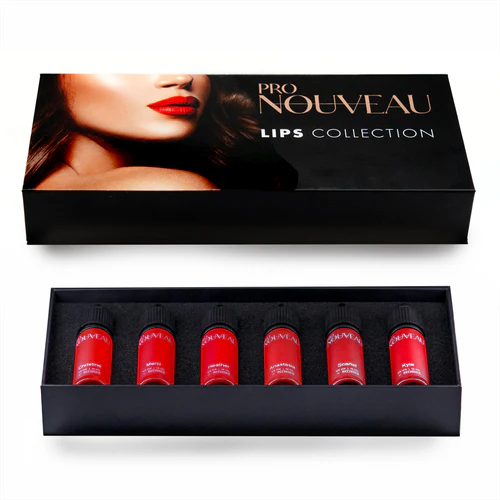
Content: 0.09 Litre (€586.67* / 1 Litre)

Content: 0.09 Litre (€782.22* / 1 Litre)
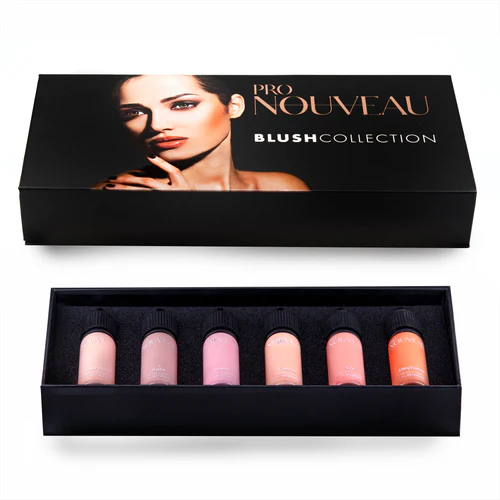
Content: 0.09 Litre (€488.89* / 1 Litre)


Content: 0.01 Litre (€2,500.00* / 1 Litre)


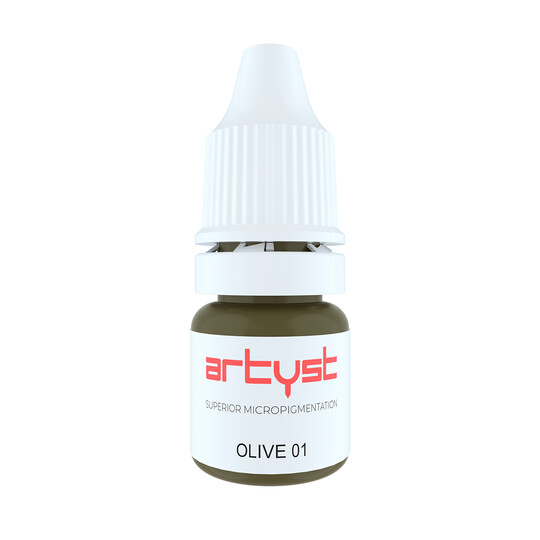
Content: 0.01 Litre (€2,500.00* / 1 Litre)


Content: 0.01 Litre (€2,500.00* / 1 Litre)

Content: 0.01 Litre (€2,500.00* / 1 Litre)

Content: 0.01 Litre (€2,500.00* / 1 Litre)

Content: 0.01 Litre (€2,500.00* / 1 Litre)
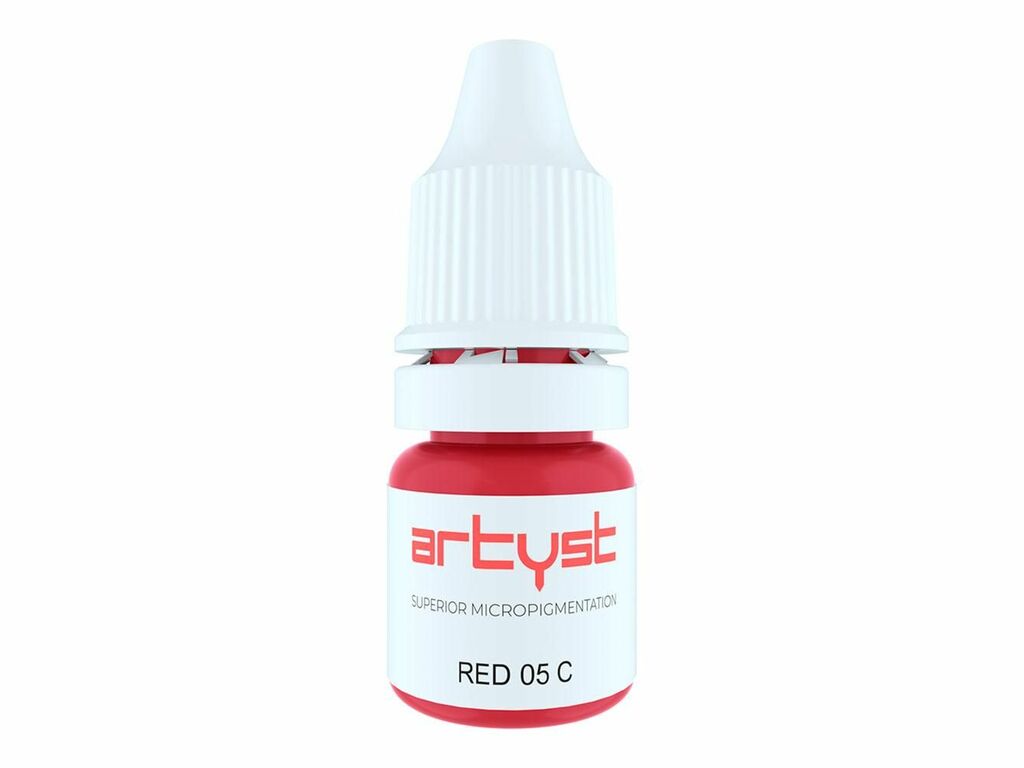
Content: 0.01 Litre (€2,500.00* / 1 Litre)

Content: 0.01 Litre (€2,500.00* / 1 Litre)

Content: 0.01 Litre (€2,500.00* / 1 Litre)

Content: 0.01 Litre (€2,500.00* / 1 Litre)

Content: 0.01 Litre (€2,500.00* / 1 Litre)